By Yonatan Tamiru, Communication Advisor, Tesfaye Solomon, MNCH Project Officer, PSI Ethiopia
“We were young, we had nothing. If I had gotten pregnant then, I don’t know where we would be today.”
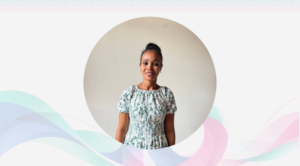
That is how Alfia Abadir describes the early years of her marriage, not with regret, but with the quiet honesty of someone who knows how easily her life could have taken a different path.
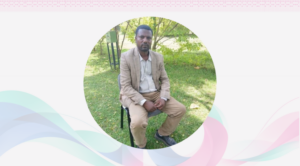
Alfia was fifteen years old when she left school and got married. Her husband, Sabir Jamal, worked as a day laborer in Abdella Rural Kebele in Chora Woreda, Buno Bedelle Zone. Together, they earned just enough to survive, and sometimes not even that. Rent, food, and daily expenses consumed whatever little income they made. Starting a family did not feel like a decision they were ready for; it felt like something that would simply happen.
Then the Smart Pathways program arrived in their community.
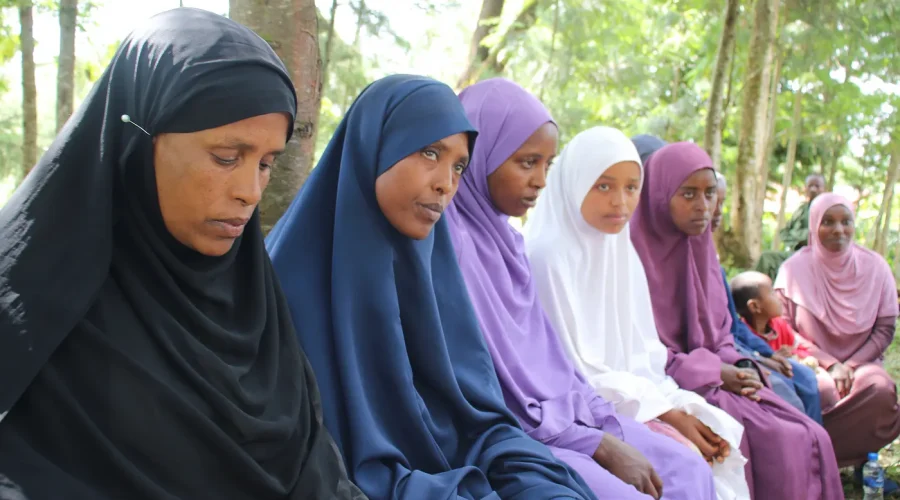
Munira Berhanu, the Health Extension Worker serving the kebele, remembers Alfia as one of the first young women to receive counseling when the program launched. Sitting with Alfia and Sabir together, Munira explained family planning not simply as a health service, but as a way for young couples to create stability before taking on the responsibility of raising a child.
The conversation stayed with them.
Alfia was young. Their income was unstable. Together, they decided to wait before starting a family. Alfia chose an implant that would protect her from pregnancy for three years.
That decision changed the course of their lives.
Over the next two years and eight months, Alfia and Sabir slowly built something they had never imagined possible. They took on extra work, saved carefully, and invested in their future. The house they once rented is now their own. They raise chickens, sheep, and goats. What once felt uncertain began to feel possible. A rented room became a home. Daily survival became a livelihood. And a young couple who once had very little began building a future with more security and hope. For Alfia, family planning did not delay life. It gave her the time to prepare for it.
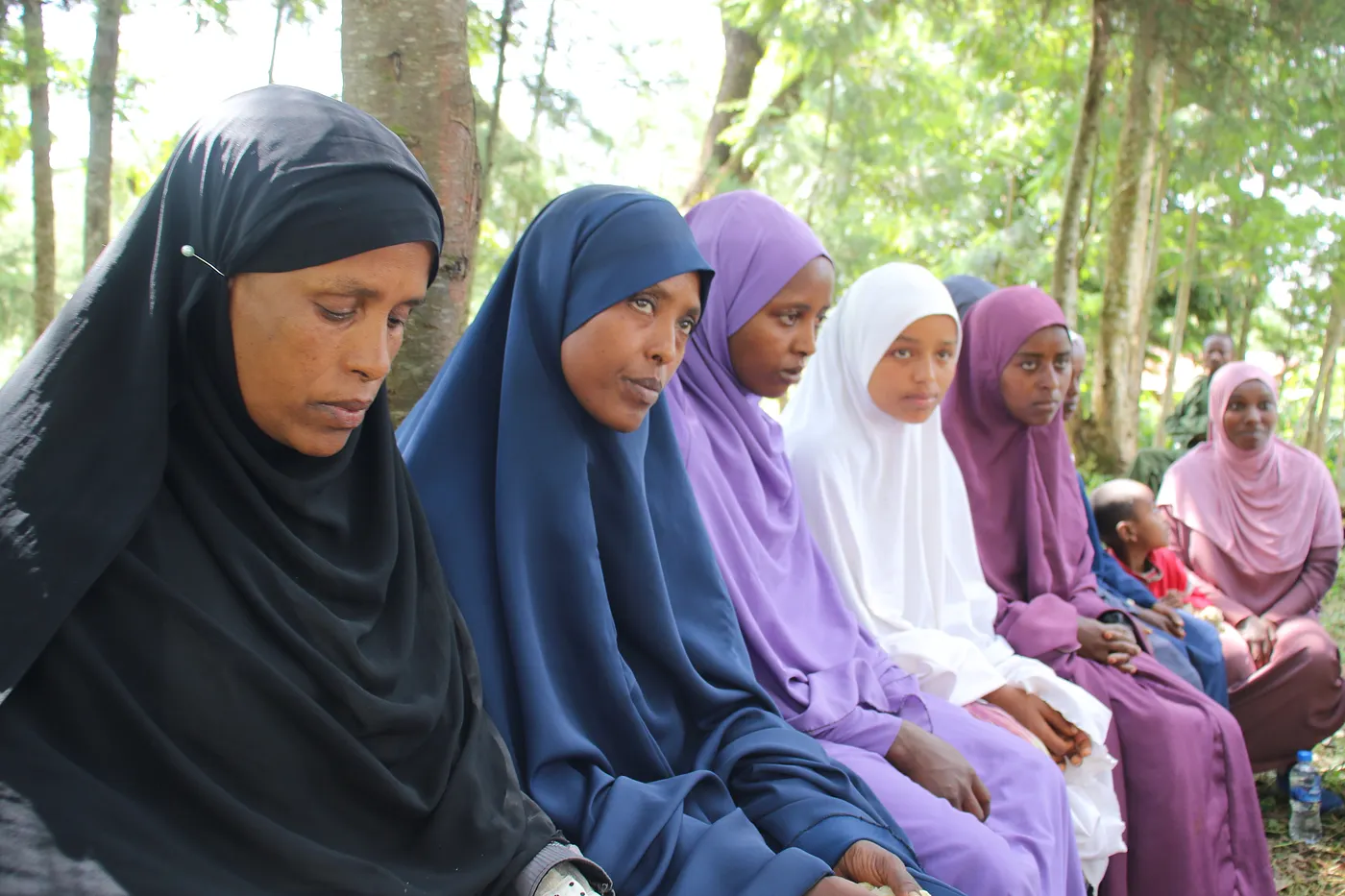
When she finally felt ready to become a mother, Alfia returned to the health post to have her implant removed. Munira was there again, this time introducing her to another service through the Smart Pathway program: Preconception Care.
This next step mattered because Alfia’s journey did not end when she decided she was ready for pregnancy. Through Smart Pathway, the same trusted system that helped her delay pregnancy now helped her prepare for a healthier one.
The idea was simple but powerful. Before becoming pregnant, women should have the chance to prepare physically and emotionally for a healthy pregnancy through counseling, nutrition support, and health follow-up.
Although preconception care was still new in the community, Alfia embraced it immediately.
For three months, she attended counseling sessions, took iron supplements, and followed the guidance provided by health workers. When she later became pregnant, she was linked to a nearby health center for antenatal care and regular follow-up.
Today, both Alfia and her baby are healthy.
“I always thought health workers were mainly concerned with helping us avoid pregnancy before we were ready,” Alfia said while reflecting on the care she received through the Smart Pathway program. “But I have now learned that they are just as ready and happy to support us through every step of the journey; from family planning all the way to pregnancy.”
Alfia’s story is about far more than one method or one program. It is about what becomes possible when a young woman receives the right support at the right moment from someone she trusts.
The years Alfia spent using family planning were not years lost. They were years invested in stability, readiness, and the kind of future she wanted for her family.
Today, her journey stands as a powerful reminder that planning is not a barrier to family life. For many young couples, it is the foundation that makes healthier pregnancies, stronger families, and more hopeful futures possible.
Because sometimes the most important step in building a better future is having the time to prepare for it.
Source: PSI Ethiopia